Where will the babies be born?
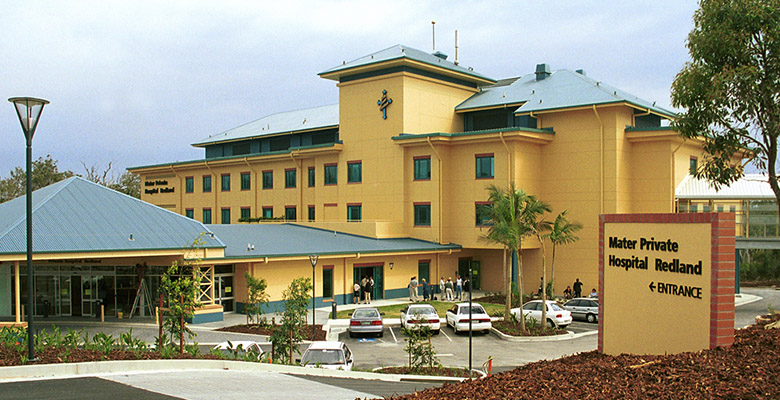
Mater Private Hospital group quietly announces its proposal to cease maternity services at its Brisbane South facility
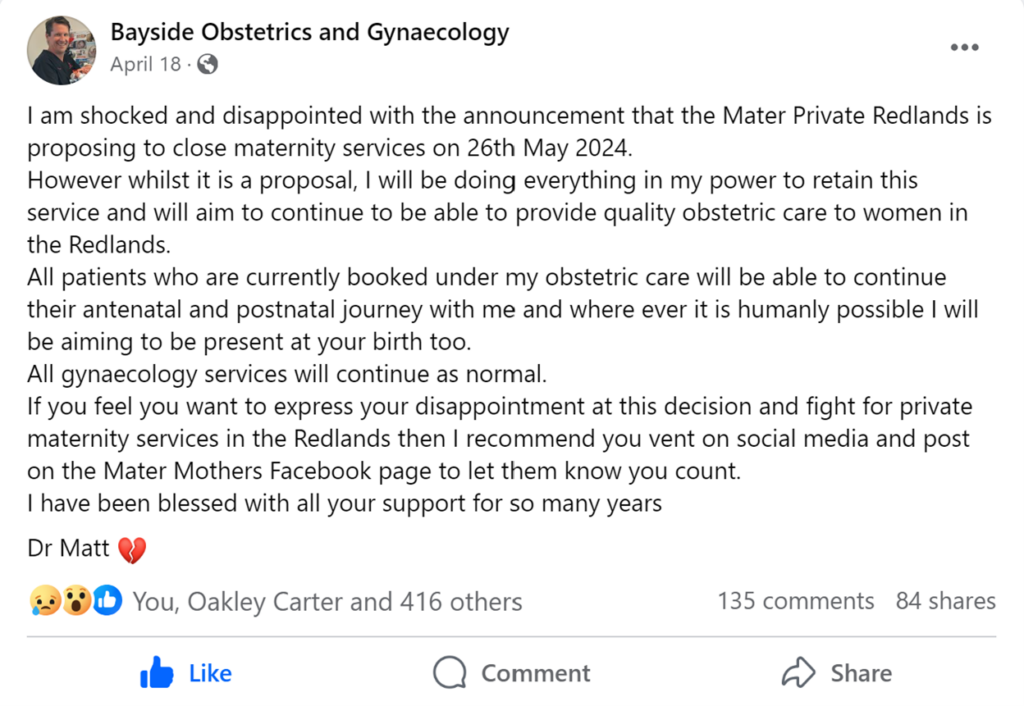
This news came as a shock to the Redlands community, including local obstetricians who were not consulted in the process of this decision. Dr Matt Macbeth who runs Bayside Obstetrics and delivers lots of the babies born at the Mater Private Redlands, including my own second child in 2021, took to Facebook to express his disappointment with the announcement.
The Redlands offers a unique lifestyle, characterised native bushland, 335km of coastline and maintains a semi rural feel – where large properties that are home to some of our favourite farm animals, converge with the bay and established areas.
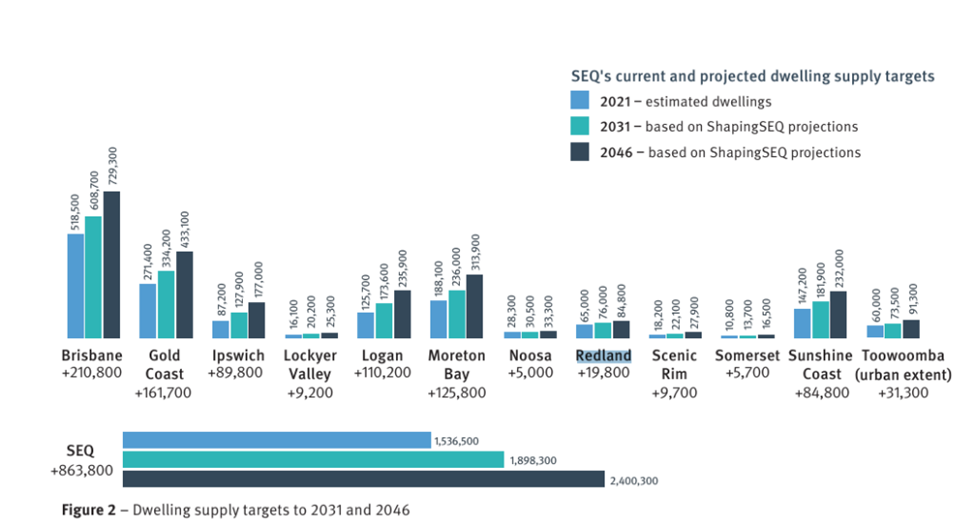
This will inevitably change as population growth looms. It is expected that another 20,000 dwellings will be built here by 2046, according to the Queensland Government’s, Shaping SEQ Regional Plan.
It is safe to assume new residents will include those that are looking to bring up their children and future children in a place that is still relatively affordable by todays standards, placing greater pressure on existing services.

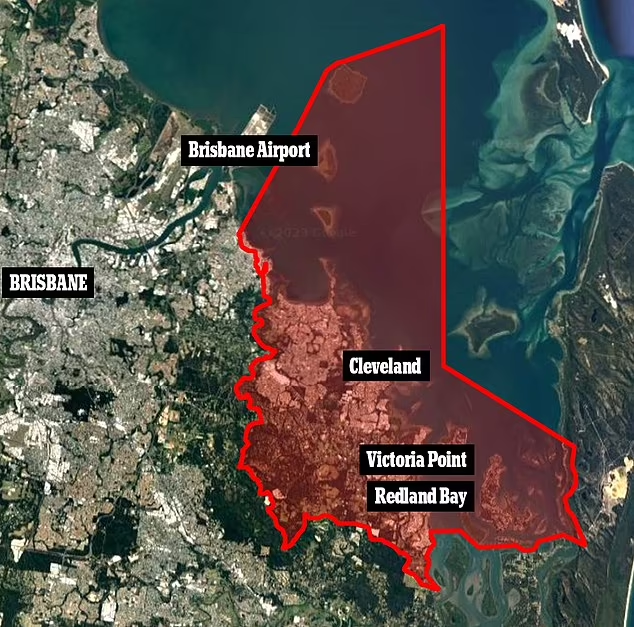
The most southern parts of the Redlands region are located up to an hour – on a good day – from Brisbane, where the majority of private maternity hospitals operate.
The imminent closure of the Mater Private in the Redlands will take away a vital choice for women who want to birth in a safe, personalised environment, in the hands of respected and skilled physicians. The public hospital is the only other option for locals, a hospital that is already at capacity.
Will this force more women to home birth as an alternative choice?
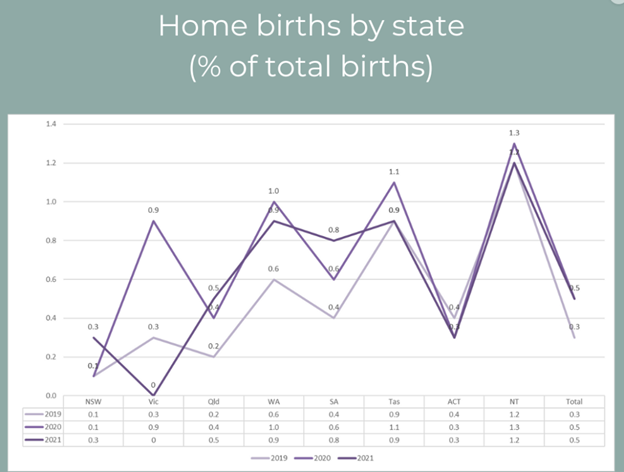
Publicly funded home birth in Queensland has increased from 0.09% (2011) to 0.5% (2020). It is a cheaper option than a private hospital birth and there is strong evidence that for selected women and babies, planned home birth is safe and beneficial when guidelines and systems of transfer are in place, there is either minimal or no increased risk associated with home birth for low-risk women. This does not mean it is risk free.
Publicly funded home birth is also not currently available in the Redlands.
When home birth goes wrong
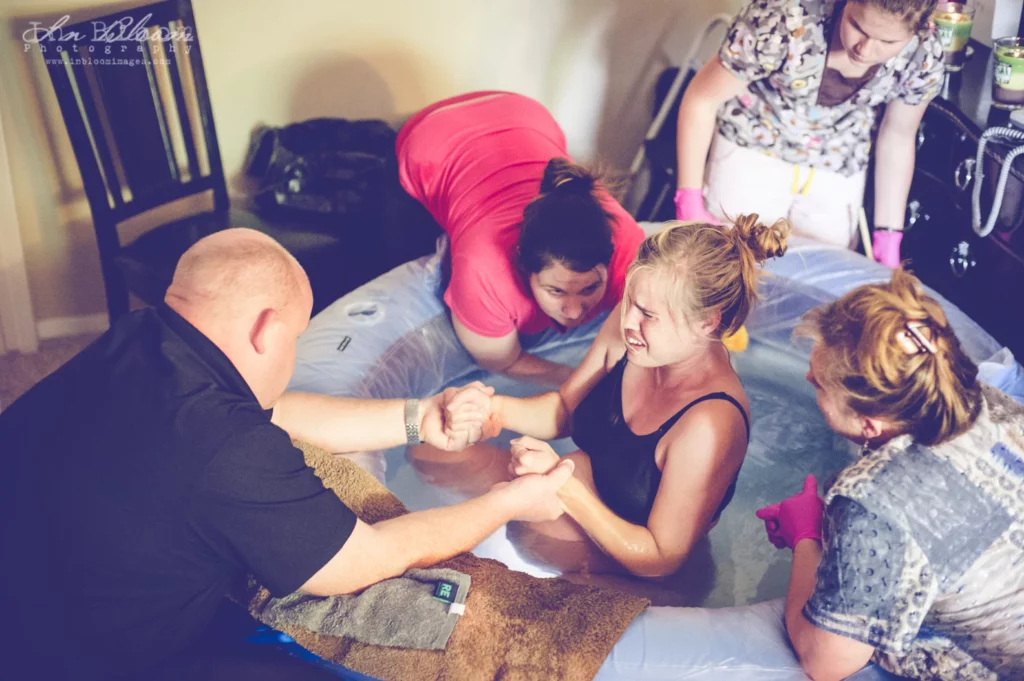
With the proliferation of social media and picture-perfect home birthing stories, more women are exposed to the concept of birthing at home. Mum, Ashley Martin decided to have her fifth baby at home. She said she has wanted “that picture perfect birth – just like all the other home birth photos showed” she writes on her blog. “I really thought I was doing the best thing for my baby. I was told that it was safe.” But what Ashley endured instead was a “horrifying” ordeal that almost left her and her baby boy dead.
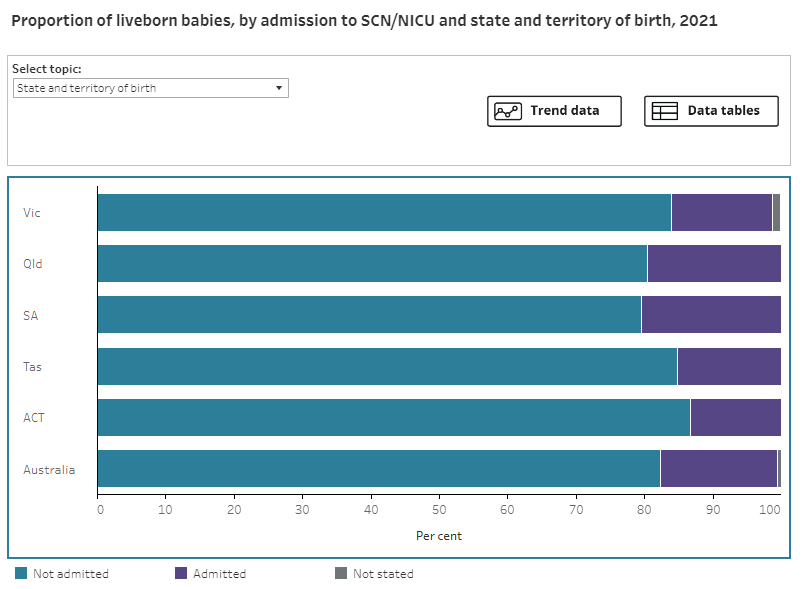
In Australia 1 in 5 babies born require admission to NICU or SCU and 1 in 32 have a congenital anomaly. Some anomalies are not detectable until after birth….as I found out after the birth of my first son, Harvey.
Attending naturally focused antenatal classes influenced my perception of home vs. hospital birth. I was an “ideal” candidate for home birth in 2018 when I was pregnant with my first son Harvey. My pregnancy was textbook and there were no signs Harvey would be born so sick. If my husband had agreed to proceed with home birth, there is no doubt we wouldn’t have a happy, healthy, five-year old boy today.
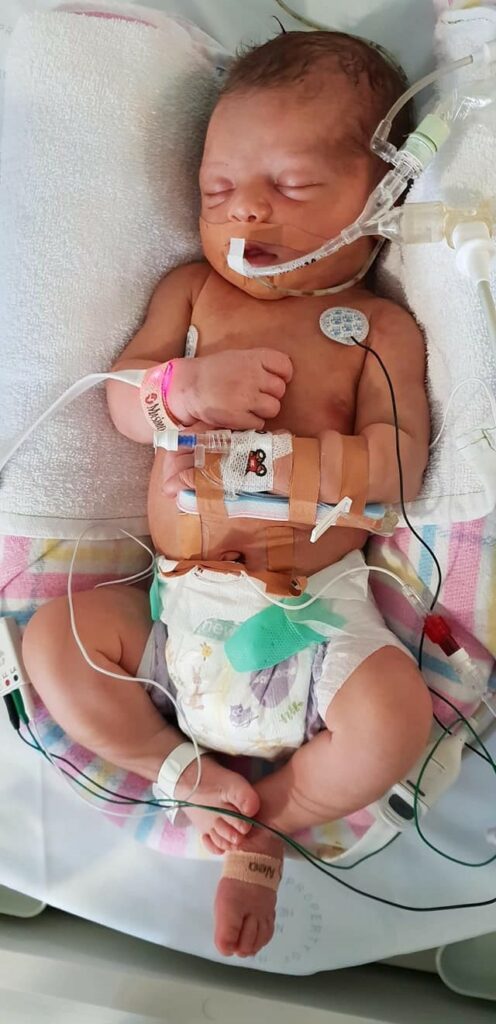
Within seconds of being placed on my chest, he looked up at me and proceeded to vomit an enormous amount of blood, for such a tiny human.
Harvey had a neonatal pulmonary hemorrhage (NPH). NPH is a massive blood leakage in the terminal sacs and pulmonary interstitium. NPH is a catastrophic event with very high mortality rates (50%). In Harvey’s case he had acute idiopathic pulmonary hemorrhage in infants (AIPHI). It is a rare and peculiar disease, in that there is no trigger for the event, making it undetectable until the event occurs.
Without knowing the cause, it was extremely difficult for the NICU doctors to determine the appropriate treatment. He made a full recovery thanks to immediate emergency medical care and the life-saving power of plasma.
There isn’t a day it is lost on me just how lucky we are that we were in the right place at the right time with the right providers.
Dr Matt Macbeth delivered my second son at the Mater Private in Redlands by elective cesarean section. An option I would have never considered first time around. Having access to this choice gave me a healing and beautiful birthing experience .
As home birth and its popularity increase, I share my experience and the potential risks involved that are not often seen on social media, as a tool for empowerment so that other women are informed. While the complications ending in infant death are rare, they are possible. There is every chance that as more babies are born at home, deaths will also rise without immediate access to emergency medical care. My biggest regret, if I had have gone through with a home birth, is that my baby would have just been a number. A number of small deaths that happen during home birth. Instead, he is one of those rare cases that actually make it through a neonatal pulmonary hemorrhage and on the right side of the statistics.
The way forward
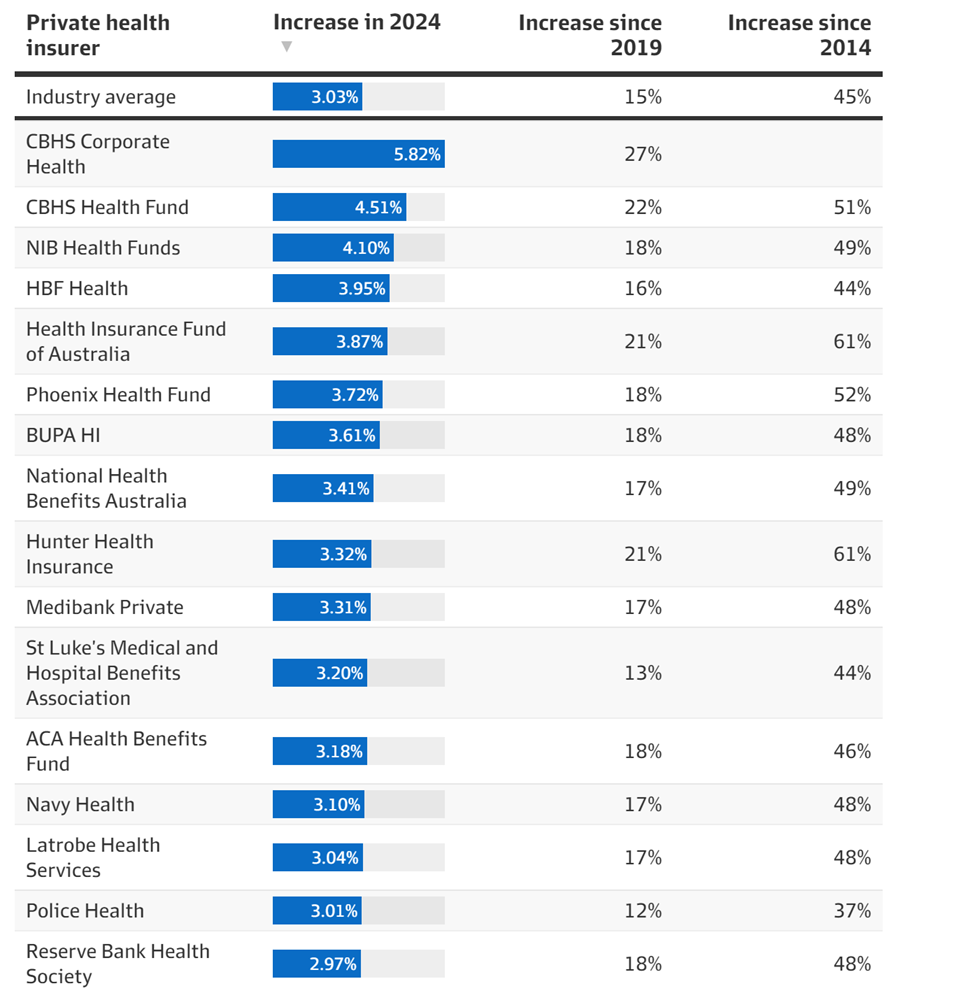
Private Health Insurance is a huge expense and a complex issue with hospitals and providers unable to negotiate the best outcomes for the communities they serve. In the last 10 years, premiums have gone up on average 45%. Less young people are opting into gold policies, the only policy that covers items like pregnancy. The Mater Redlands is seeing a declining trend, about 25% less babies are born there as compared to ten years ago. Maybe a shortage of pediatricians is to blame for the closure, maybe not.
There is a rise in women opting for unregulated birth workers (UBWs) such as doulas during homebirth in Australia. One study surveyed women in Australia around their choice to use a UBW, with majority of responses coming from Queensland. It found that mostly middle to low income were employing UBWs in their home births due to the cost of private midwives and lack of access to publicly funded home birth – almost 4% of respondents had babies who died.
It is clear that women need more choice, not less and women need to be armed with all the information they need so they don’t make choices they may end up regretting.
With the huge population growth that is coming in the next 20 years, there needs to be more thought put into safeguarding services for the future. You can reach out to local Member of Parliament for Redlands, Kim Richards and the State Health Minister, Shannon Fentiman, if you believe they should be doing more to advocate and help local patients access private maternity services, in their community where it is convenient for them or expanding the publicly funded home birth program so there are safer options available.